
Blog
The Role of Physical Therapy in Concussion Management
Welcome to the third installment of our blog series on concussions and vestibular issues. In our previous posts, we discussed the fundamentals of concussions, their causes, and potential complications. In this blog, we’ll explore the crucial role of physical therapy in managing and recovering from concussions. At Movement Theory Physical Therapy & Wellness, we’re dedicated to providing you with valuable insights and support on your journey to better health.
Why Physical Therapy Matters:
Concussions can lead to a variety of symptoms, including headaches, dizziness, balance issues, and neck pain. Physical therapy plays a vital role in addressing these symptoms and promoting a safe and effective recovery. Here’s why it matters:
- Symptom Management: Physical therapists can provide techniques and exercises that alleviate headaches and dizziness. These exercises often involve eye and head movements to retrain the brain’s response to motion.
- Vestibular Rehabilitation: For individuals experiencing vertigo or balance problems after a concussion, vestibular rehabilitation is a specialized form of therapy. It helps retrain the vestibular system, which is responsible for balance and spatial orientation. This can significantly improve balance and reduce dizziness.
- Cervical Spine Care: Neck pain is a common symptom after concussions. Physical therapy can address this issue, helping to reduce pain and tension in the neck and upper back.
The Importance of Individualized Care:
Every concussion is unique, and the symptoms and needs of individuals may vary. That’s why a tailored, individualized approach is essential in physical therapy. Your physical therapist will conduct a thorough assessment to determine the best course of treatment for your specific symptoms and challenges.
The Role of Exercise:
Exercise is a key component of concussion management. Specific exercises, when prescribed and monitored by a skilled physical therapist, can help improve symptoms and enhance recovery. These exercises may include:
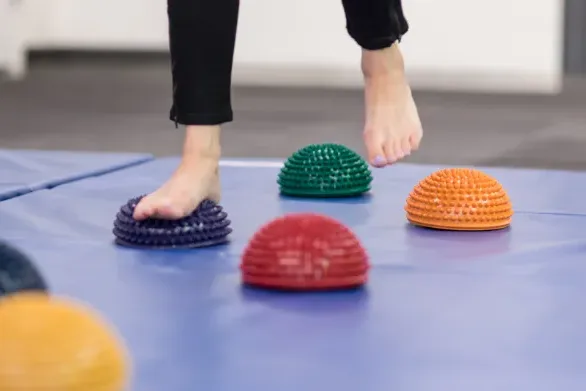
- Balance Training: Balance exercises help individuals regain their equilibrium and reduce the risk of falls or injury due to balance issues.
- Cognitive Rehabilitation: These exercises challenge cognitive function, improving memory, concentration, and problem-solving abilities.
- Neck Strengthening: Strengthening the neck and upper back muscles can help alleviate neck pain and tension.
Your Path to Recovery:
If you’ve experienced a concussion and are dealing with post-concussion symptoms, you don’t have to navigate the path to recovery alone. Movement Theory Physical Therapy & Wellness is here to provide the expertise and support you need to regain your physical and cognitive function.
**Reach Out to Us:**
- Phone: (817) 907-7993
- Website: themovementtheory.org
In our next blog, we’ll discuss coping strategies and wellness tips for individuals recovering from concussions. These strategies can help you manage your symptoms and enhance your overall well-being. Stay tuned for more valuable insights on your journey to recovery.
Keep Reading
Have a question about what you just read?
Talk it through with a Doctor of Physical Therapy, one-on-one, before you decide anything.
Book Your Visit
Ready when you are.
Request a time and a real person calls you back, usually within two business hours. No phone tree. No ‘someone will reach out.’ Just a plan.
- Hours Mon–Thu 8am–6pm, Fri 8am–4pm
- (817) 907-7993 Prefer to talk now? Call us.
- Same-week appointments available
5.0 · 100+ 5-star reviews
Typical response: under 2 business hours
Step 1 of 5
Request sent.
That’s the hard part done. We’ll call during business hours to lock in your time. Most people are on the schedule same week.
Visit Us
Care this good, this close.
Movement Theory Physical Therapy & Wellness
- 6350 Glenview Dr Ste 108, North Richland Hills, TX 76180 (opens in a new tab)
- (817) 907-7993
- Fax: (877) 887-2564
- DrJarred@TheMovementTheory.org
- Mon–Thu 8am–6pm, Fri 8am–4pm