
Blog
What To Expect Following Surgery? Can I Walk? Part 2
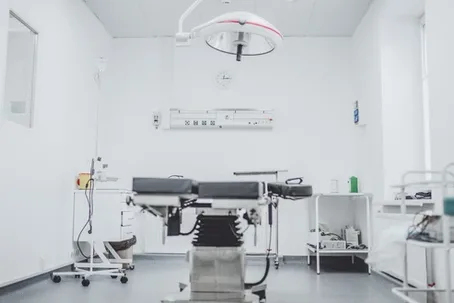
So you just had surgery or maybe you’re planning one in the coming weeks or months. It’s possible, even, that you’re just looking for information and checking things out from a curiosity stand-point, fear, or uncertainty, at any rate we’re glad you found us.
Surgery is no small feat, even the most minor procedures come with their risks and complications, but so does everything else. The typical risks for most procedures are complications during with the surgery itself or anesthesia, there’s blood clotting issues that can arise, limited/restricted function following surgery which decreases independence during that time and more, speak with your surgeon about these as not all surgeries are the same. Once you’re out of the operating room and in your own room/shared room the fun for us Physical Therapists begin.
Here at Movement Theory Physical Therapy and Wellness we see a lot of post-operative patients, whether they had knee replacements, shoulder replacements, reverse shoulder replacements, hip and knee surgeries; labrum, ACL/triads, meniscus, rotator cuff repairs, fusions, the list goes on and on. We’ve seen practically every orthopedic surgery out there and we LOVE to get them. Personally, I love working with post-operative patients because the amount of progress in such short timelines, usually 2-6 weeks, pumps me up and is the very reason why I got into healthcare in the first place; to help people and assist them with regaining THEIR life back.
Unfortunately, like we talked about before, surgery is overly-relied on in the musculoskeletal world (read: bones and joints). If you had an acute accident, or need to get back to work extremely quickly, show red flags or a few other situations then likely surgery is what you need. If you’ve been dealing with pain for longer than 6 weeks, imaging shows a lot of “mild” on the impressions and the clinical picture doesn’t really line up with where expected symptoms would be, then it’s likely that surgery is not your best bet. Instead, I would recommend some FREE resources to help you understand what’s going on a little better. Adrian Louw is a world renowned ‘pain’ expert and he’s put together these short clips (15min total) as well as more on his YouTube. Pain Education video 1 (opens in a new tab) & Pain Education video 2 (opens in a new tab)
You had the surgery, you’re now in therapy, what should I expect? Well, depending on the joint, any of the lower extremity like the hips, knees and ankles will often be protected from putting weight down. This is known as weight-bearing status – usually it’s non-weight bearing (NWB), toe-touch weight bearing (TTWB), Partial weight-bearing (PWB), and full weight-bearing (FWB). This lets you know if you can use toe for stabilizing, or 25-75% of your weight or if walking and putting full weight is okay. This is irrespective of pain symptoms. You can be approved to walk and it still hurt, please refer back to the pain education videos if this concept isn’t clear. You can still have weight-bearing restrictions with the upper body as well, which would limit you from pushing open doors, picking up items and using the arm for sitting/laying down or getting up.
We will continue this discussion in Part 3 where we can go into a little more detail with the post-operative restrictions, talk about a few common surgeries and the timelines I’ve seen for full recovery.
Like always, have a blessed day and thank you for reading, we hope you are learning things you can put into practice or help your friends and family make better, more informed health choices. Reach out to us if you have any questions
Keep Reading
Have a question about what you just read?
Talk it through with a Doctor of Physical Therapy, one-on-one, before you decide anything.
Book Your Visit
Ready when you are.
Request a time and a real person calls you back, usually within two business hours. No phone tree. No ‘someone will reach out.’ Just a plan.
- Hours Mon–Thu 8am–6pm, Fri 8am–4pm
- (817) 907-7993 Prefer to talk now? Call us.
- Same-week appointments available
5.0 · 100+ 5-star reviews
Typical response: under 2 business hours
Step 1 of 5
Request sent.
That’s the hard part done. We’ll call during business hours to lock in your time. Most people are on the schedule same week.
Visit Us
Care this good, this close.
Movement Theory Physical Therapy & Wellness
- 6350 Glenview Dr Ste 108, North Richland Hills, TX 76180 (opens in a new tab)
- (817) 907-7993
- Fax: (877) 887-2564
- DrJarred@TheMovementTheory.org
- Mon–Thu 8am–6pm, Fri 8am–4pm